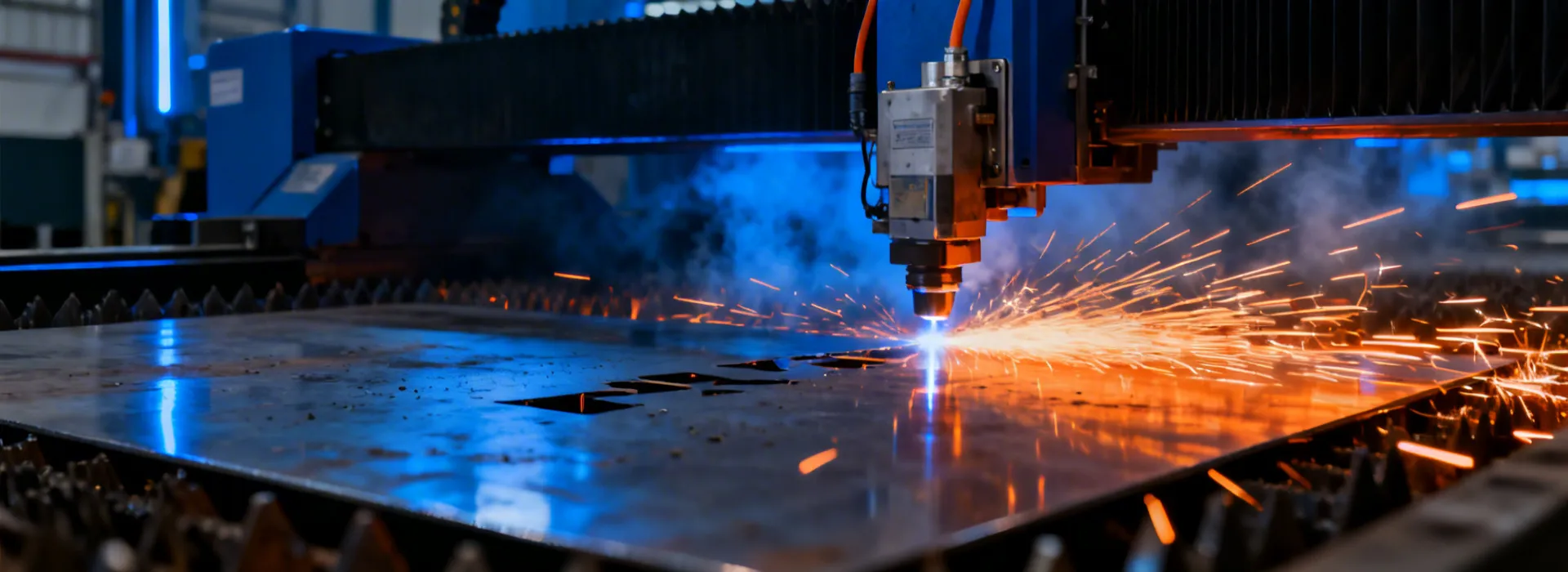
JPT-Chat Fiber Laser Cutting Machines
Fiber laser cutting and marking equipment for metal fabrication. 1 kW to 20 kW. JPT and Raycus laser sources. Panasonic servo drives. Raytools cutting heads. 6,500+ machines running globally.
Fiber laser cutting and marking equipment for metal fabrication. 1 kW to 20 kW. JPT and Raycus laser sources. Panasonic servo drives. Raytools cutting heads. 6,500+ machines running globally.
Standard configurations ship in 15-25 days. Custom builds for specific production requirements available on request.
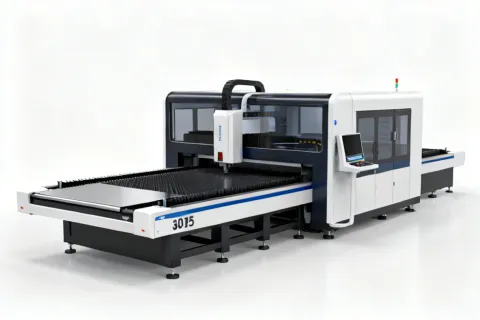
Entry to mid-range sheet metal cutting. 3000x1500 mm and 4000x2000 mm tables. 1 kW to 6 kW JPT or Raycus fiber laser source. Cuts carbon steel up to 16 mm, stainless steel up to 8 mm, aluminum up to 6 mm. Raytools auto-focus cutting head with capacitive height sensing. Cypcut CNC controller with DXF/DWG import and automatic nesting. Panasonic AC servo motors on HIWIN linear guides. Positioning accuracy +/-0.03 mm. Repeat accuracy +/-0.02 mm.
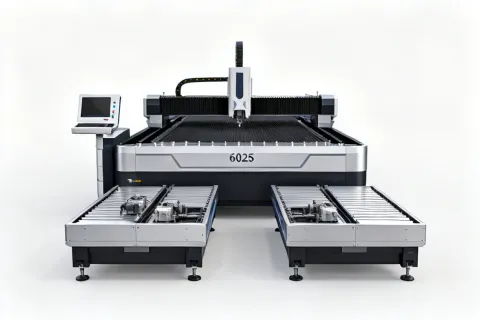
Thick plate and high-speed thin sheet processing. 6 kW to 20 kW. Work tables up to 6000x2500 mm. Cuts carbon steel up to 40 mm with oxygen assist, stainless steel up to 25 mm with nitrogen. Heavy-duty welded steel frame with stress-relief treatment for long-term dimensional stability. Dual exchange tables with swap time under 10 seconds. Pierce detection prevents failed starts on thick stock. Automatic gas switching between materials.
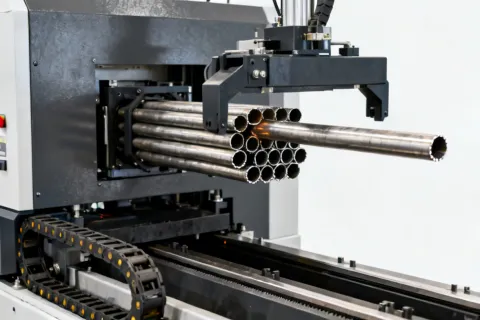
Round pipe, square tube, rectangular tube, C-channel, angle iron. 1 kW to 6 kW. Handles diameters up to 220 mm for round, 150x150 mm for square profiles. Pneumatic chuck with auto-centering. Auto-feed for 6 m or 9 m stock lengths. Optional bundle loading for unattended operation. Bevel cutting for weld preparation joints. TubePro software for 3D tube nesting and remnant tracking.
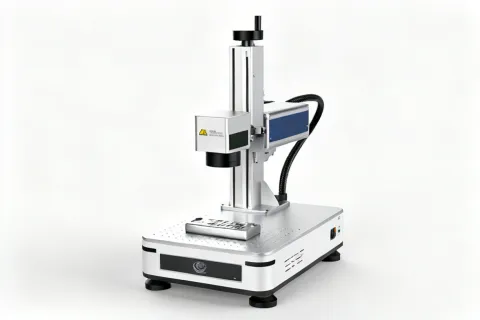
Permanent marking on metals and some plastics. 20 W to 100 W JPT MOPA and Q-switched fiber laser sources. Marking area up to 300x300 mm. Galvo scanner with speeds up to 7,000 mm/s. Deep engraving, surface annealing, and color marking on stainless steel. Used for serial numbers, barcodes, QR codes, logos, and traceability marks in automotive, electronics, and medical device manufacturing.
Positioning accuracy down to +/-0.02 mm on our Standard and Pro Series. High-resolution Panasonic AC servo motors paired with HIWIN linear guide rails deliver repeatable results across thousands of operations. The Raytools auto-focus cutting head maintains consistent focal distance on warped or uneven sheets, reducing scrap from focus drift. JPT-Chat factory QC tests on 2 mm 304 stainless steel (nitrogen assist at 14 bar, 20 C ambient) show kerf width consistency within 0.05 mm over a 3000 mm cutting path, measured with a Mitutoyo digital caliper at 10 points along the cut.
Accuracy measured under controlled conditions on 2 mm stainless steel, nitrogen assist. Results vary by material, thickness, ambient temperature, and machine condition.Cutting speeds up to 80 m/min on thin carbon steel with rapid positioning at 140 m/min. The high-acceleration servo drive system reduces idle time between cuts by minimizing deceleration and re-acceleration cycles. Customers running production shifts on 1-3 mm stainless steel report cycle time reductions of 30-40% compared to their previous CO2 equipment, though gains depend on part geometry, nesting density, and pierce count per sheet.
Speed based on 6 kW cutting 1 mm mild steel with nitrogen assist. Actual throughput depends on material, thickness, part geometry, and nesting efficiency.Fiber laser technology draws up to 70% less electricity than equivalent CO2 systems. No laser gas refills. No mirror alignment downtime. Photoelectric conversion efficiency above 30% means more cutting power per watt of input. Customers switching from a 4 kW CO2 to a 6 kW fiber report annual electricity savings between $6,000 and $12,000 depending on shift patterns and local energy rates. The fiber laser source is rated for 100,000+ operating hours by the manufacturer, compared to 20,000-30,000 hours for CO2 tubes.
Energy savings based on comparative power consumption testing at JPT-Chat facility (6 kW fiber vs. 4 kW CO2, standard production duty cycle, 2024). Lifespan figures per JPT and Raycus manufacturer specifications. Customer savings range from a 2023 survey of 45 operators across 8 countries. Individual results depend on usage pattern, local electricity pricing, and maintenance practices.Production outcomes reported by JPT-Chat machine operators. Results reflect specific conditions and may vary by material, setup, and environment.
“We replaced two aging 4 kW CO2 machines with one JPT-Chat Pro Series 12 kW in March 2023. After six months of two-shift operation cutting 3-12 mm mild steel for excavator components, our per-part cutting cost dropped 38% and monthly electricity bill went from $4,200 to $1,800. The nitrogen consumption on stainless work is higher than we expected, which offset some savings on mixed-material jobs.”
“We run a Standard Series 3 kW on 0.8-3 mm stainless and galvanized for HVAC ductwork. Daily output went from about 120 parts on our old plasma table to 280-310 parts with the laser. Edge quality on thin stainless is clean enough that we eliminated the secondary deburring step on 85% of parts. The auto-nesting saved roughly 8-12% on sheet consumption compared to our manual nesting.”
“Our Tube Series handles 6-meter lengths of 40x40 mm and 60x60 mm square tube for fitness equipment frames. We process about 800 tubes per week with the auto-feed system. Bevel cutting for weld-prep joints eliminated manual grinding on saddle joints, saving roughly 3 minutes per joint. One limitation: tubes with visible weld seams occasionally cause inconsistent cuts near the seam line, requiring operator monitoring.”
Tell us your material, thickness, and production volume. We will recommend a configuration and send a detailed quote within 24 hours.